
Destinations
Venice Secrets: Hidden Corners of the Floating City
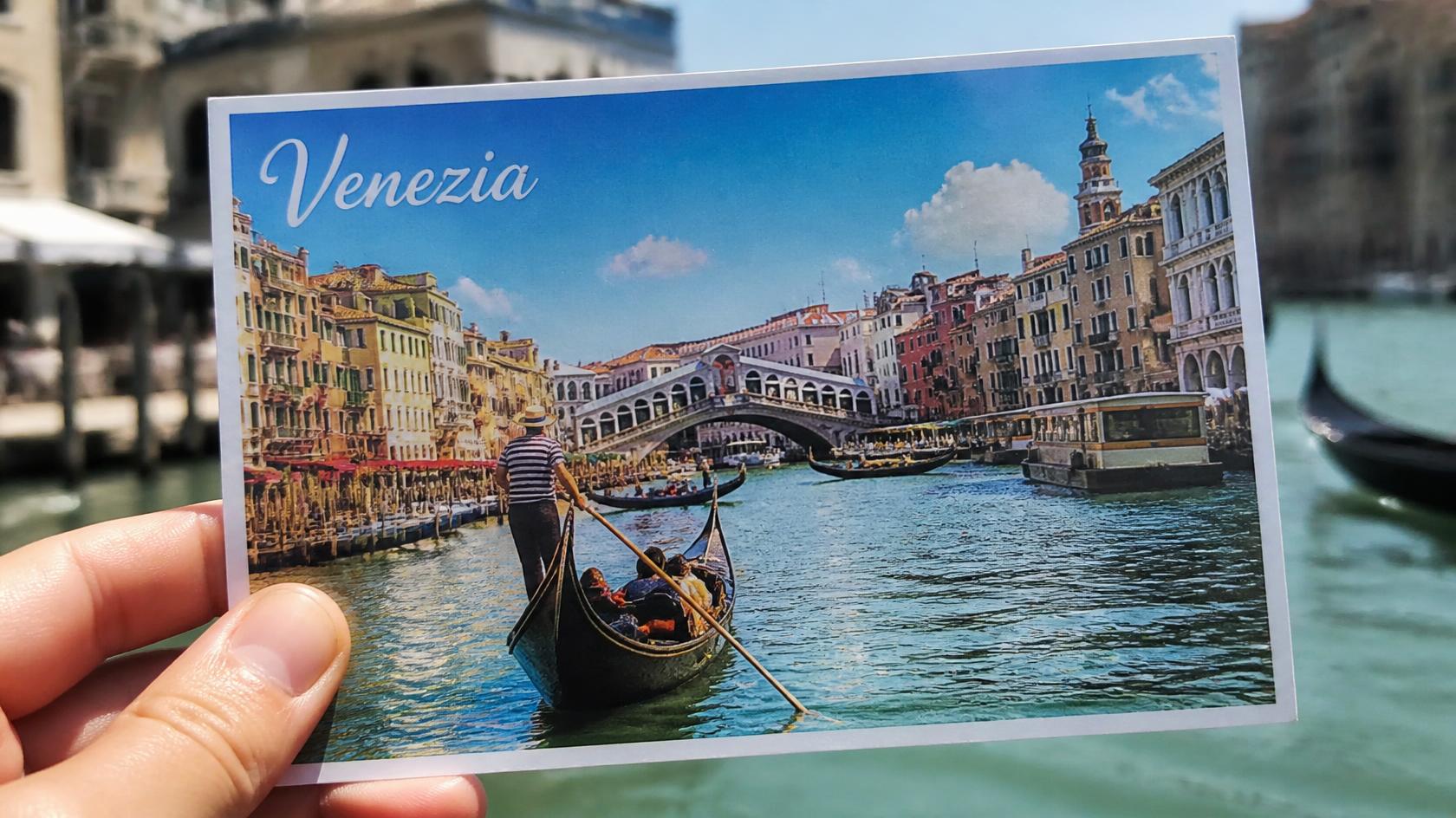
Venice hands you the postcard first, but her real magic lives in the quiet corners: a spiral "snail" staircase hidden in a courtyard, stone lions that once swallowed secret accusations, and the rooftop cell Casanova escaped from. Follow along for six hidden gems, from the birthplace of carpaccio to a bookshop where the books float in gondolas, and discover the Venice that stays with you long after you've gone home.
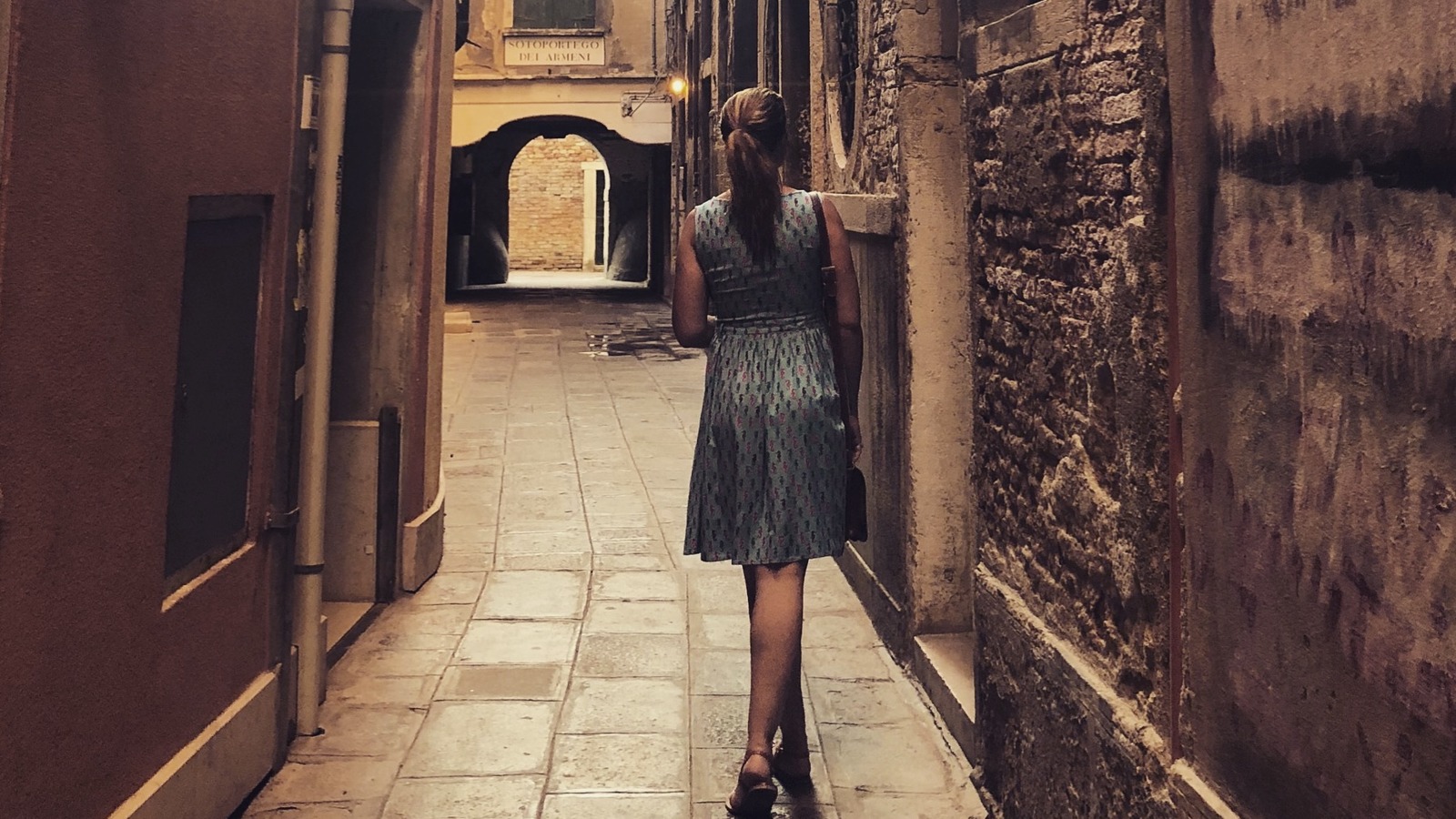
Venice has a way of keeping her secrets in plain sight. She hands you the postcard version first: the glittering mosaics of St. Mark's, the crowded arch of the Rialto Bridge, the gondoliers in their striped shirts gliding past a hundred raised phones. It is breathtaking, and you should see it all. But Venice is a city built on layers, and the moment you step off the main route and let yourself get a little lost, she begins to whisper.
The light changes first. It softens as it bounces off green water onto faded ochre walls. The noise falls away until all you hear is water slapping against stone, a shutter creaking open above you, a Venetian nonna calling down to a neighbor. This is the Venice that stays with you long after you have gone home.
Here are some of my favorite Venice secrets, the hidden corners I return to again and again.
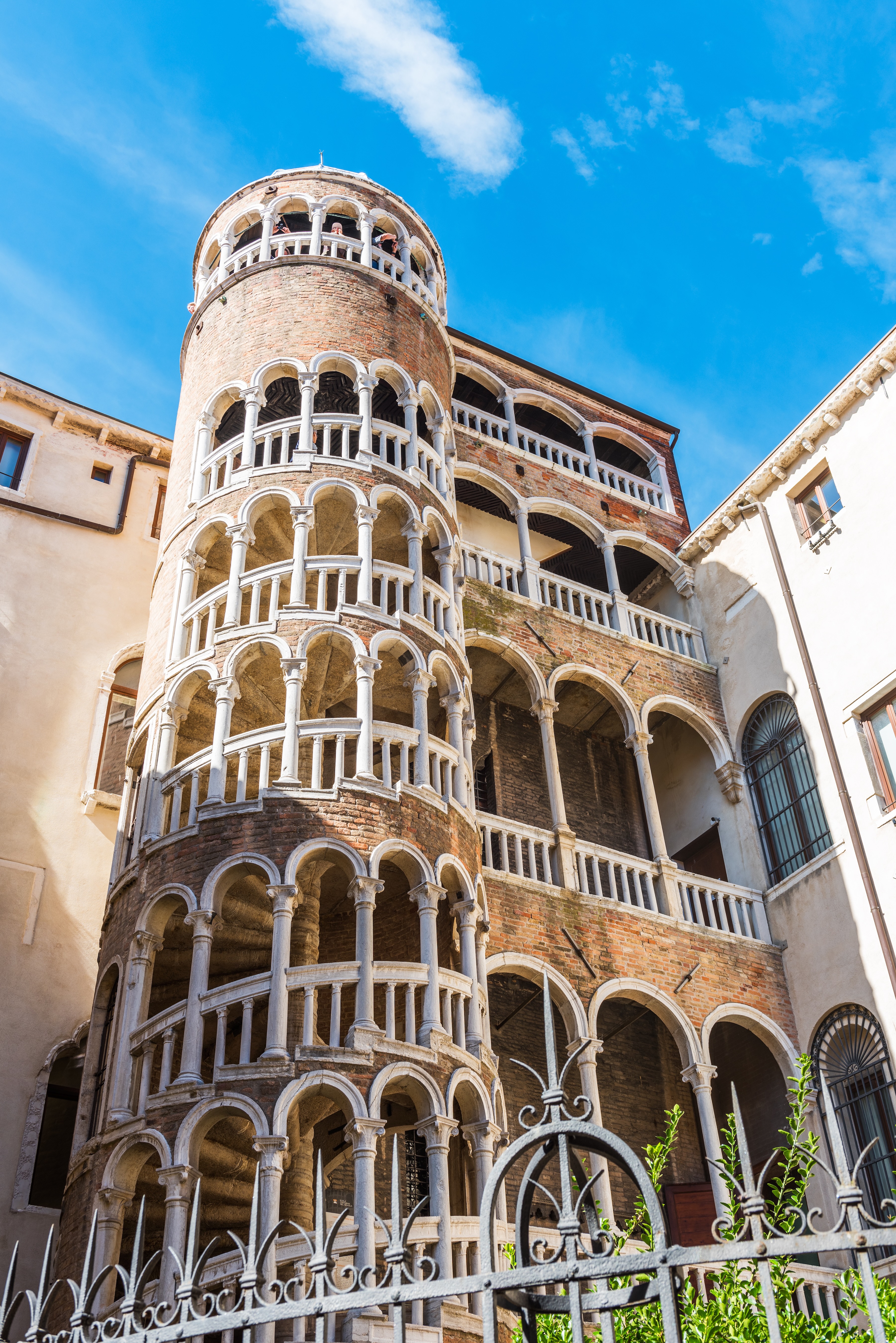
The Snail Staircase: Scala Contarini del Bovolo Just a short walk from Campo Manin, a small sign points you down a narrow calle that feels like it leads nowhere. Follow it anyway. At the end, tucked into a quiet courtyard, a tower of white Istrian stone and warm terracotta brick spirals toward the sky like a seashell turned inside out.
Bovolo means "snail" in the Venetian dialect, and you will understand why the moment you see it. Pietro Contarini commissioned the staircase toward the end of the fifteenth century, and its graceful arches wind past floor after floor upward, with open loggias. Climb to the belvedere at the top and the whole city unfolds beneath you: a sea of terracotta rooftops, chimney pots shaped like upturned bells, and the campanile of St. Mark's rising in the distance.
Entry is timed and limited to small groups, so book ahead and aim for late afternoon, when the stone glows honey gold.
The Lion's Mouth: Venice's Historic Complaint Boxes
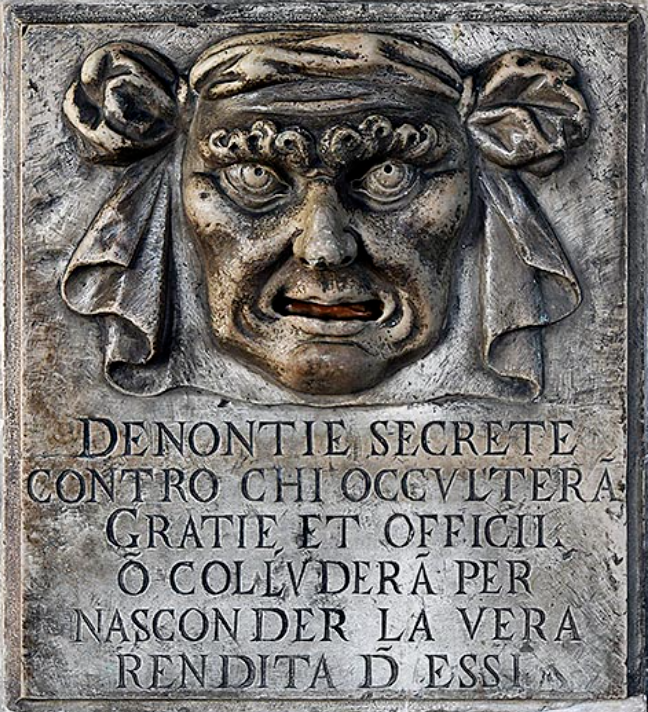
As you wander, keep your eyes on the walls. Every so often, a carved stone face stares back at you, often a lion, its mouth open in a dark little slot. These are the bocche di leone, the lions' mouths, and they were once Europe's most whispered-about mailboxes.
During the days of the Most Serene Republic, a Venetian with a grievance could write it down, fold the paper, and slip it into the stone's mouth, where it dropped into a locked wooden box on the other side of the wall. Only the magistrates held the keys. The powerful Council of Ten, formed after a failed plot against the Republic in 1310, relied on these denunciations to gather information, and each box served a different purpose depending on where it stood: tax evasion, market fraud, blasphemy, trade disputes, and whispers of conspiracy against the state.
It sounds like a recipe for revenge between feuding neighbors, and at times it surely was. But the Venetians were clever. Accusations were generally expected to be signed and supported by witnesses, and those born of spite rather than truth could land the accuser in trouble of his own. Many a baseless complaint simply went into the fire.
You will find several of these stone faces still inside the Doge's Palace, the oldest surviving there dating to 1618. My favorite, though, is on the Zattere in Dorsoduro, set into the wall beside the Church of Santa Maria della Visitazione. Its carved inscription invited secret denunciations against offenses to public health in the Dorsoduro district, a reminder that centuries ago, Venice was already watching over the well-being of her people. Stand before it with the lagoon sparkling at your back and imagine the secrets it once swallowed.
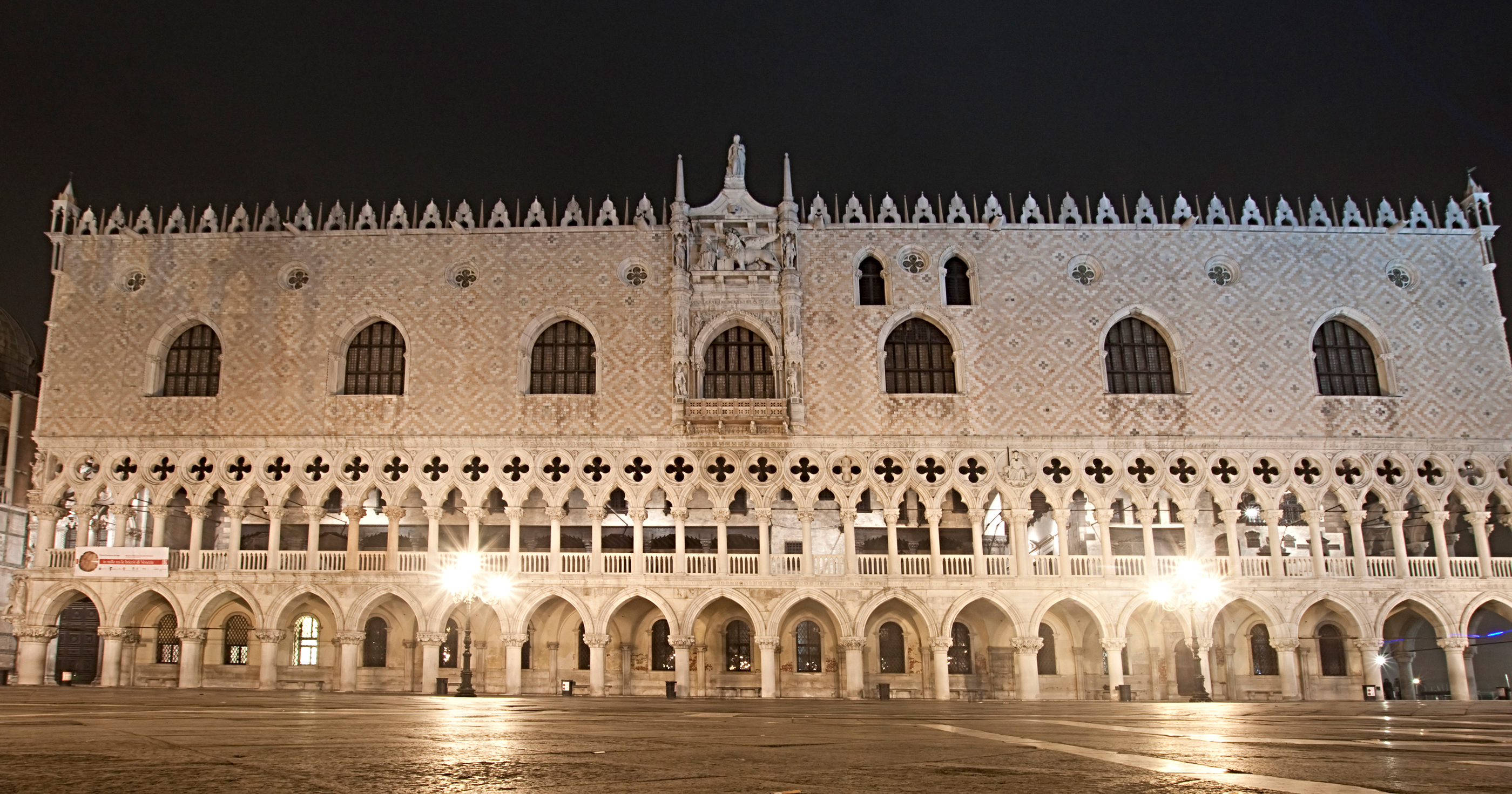
Casanova's Escape: The Secret Itineraries of the Doge's Palace
Most visitors walk through the gilded halls of the Doge's Palace and never realize there is an entire hidden palace behind the walls. On the guided Secret Itineraries tour, a narrow door off the courtyard leads you into the rooms where the Republic's most delicate business was conducted: the chancellery lined with wooden archives, the chilling interrogation chamber, and finally, up beneath the roof, the Piombi. These were the notorious "lead" cells, named for the lead roof that turned them into ovens in summer and iceboxes in winter. From here, in 1756, Giacomo Casanova made his daring escape, climbing across the rooftops and strolling out through the palace in the morning as if he had simply been visiting. Standing in that cramped attic, with the beams close enough to touch, you can almost hear him plotting.
These rooms can only be seen with a guide, and the tours fill quickly, so reserve well ahead. Fair warning for claustrophobes: the passages are narrow, and the stairs are steep.
A Masterpiece on a Plate: The Birth of Carpaccio
Some of Venice's secrets are hiding on your dinner plate. The next time you order carpaccio anywhere in the world, you are tasting a little piece of Venetian history, and a love story between the kitchen and the canvas.
In 1950, at Harry's Bar, the legendary little bar near St. Mark's where Giuseppe Cipriani also created the Bellini, a beloved regular named Countess Amalia Nani Mocenigo arrived with a problem. Her doctor had advised her to eat her meat raw for the sake of her health. Rather than simply hand her a plate of uncooked beef, Cipriani did something far more Venetian. He made it beautiful.
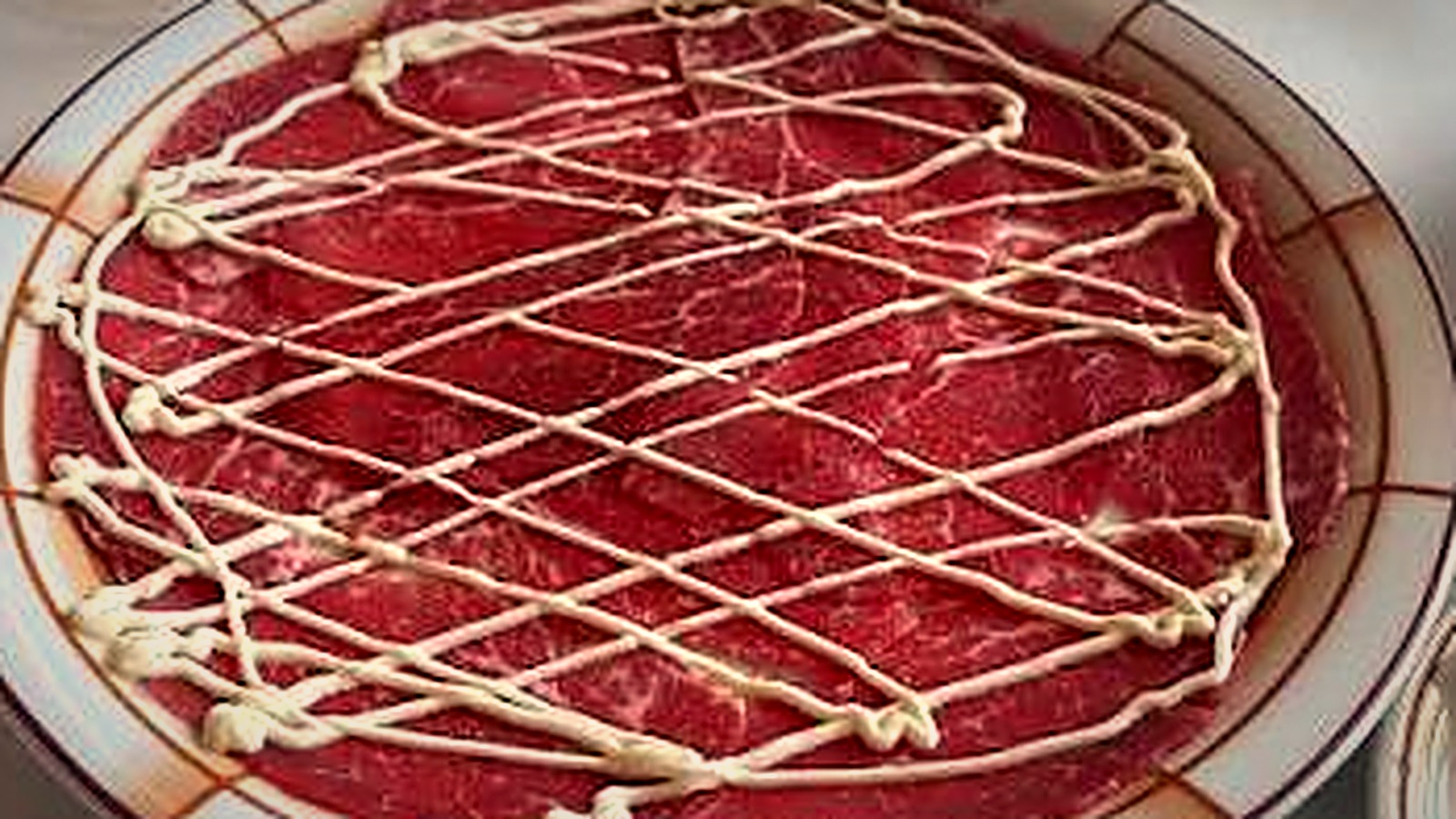
He sliced the finest lean beef so thin it was almost translucent, laid it flat across a chilled plate like silk, and drizzled a delicate, creamy sauce over it in fine, flowing lines, as though drawn with a brush. The result looked less like a prescription and more like a work of art.
And a work of art is exactly what inspired its name. Cipriani looked at the deep crimson beef and the pale ribbons of sauce and was reminded of Vittore Carpaccio, the Venetian Renaissance painter famous for his rich, glowing reds and luminous whites. He named the dish in the painter's honor, and a Venetian classic was born.
Harry's Bar still serves carpaccio the original way. Slip in, order a Bellini alongside it, and savor a dish created with care for one woman and now loved by the whole world.
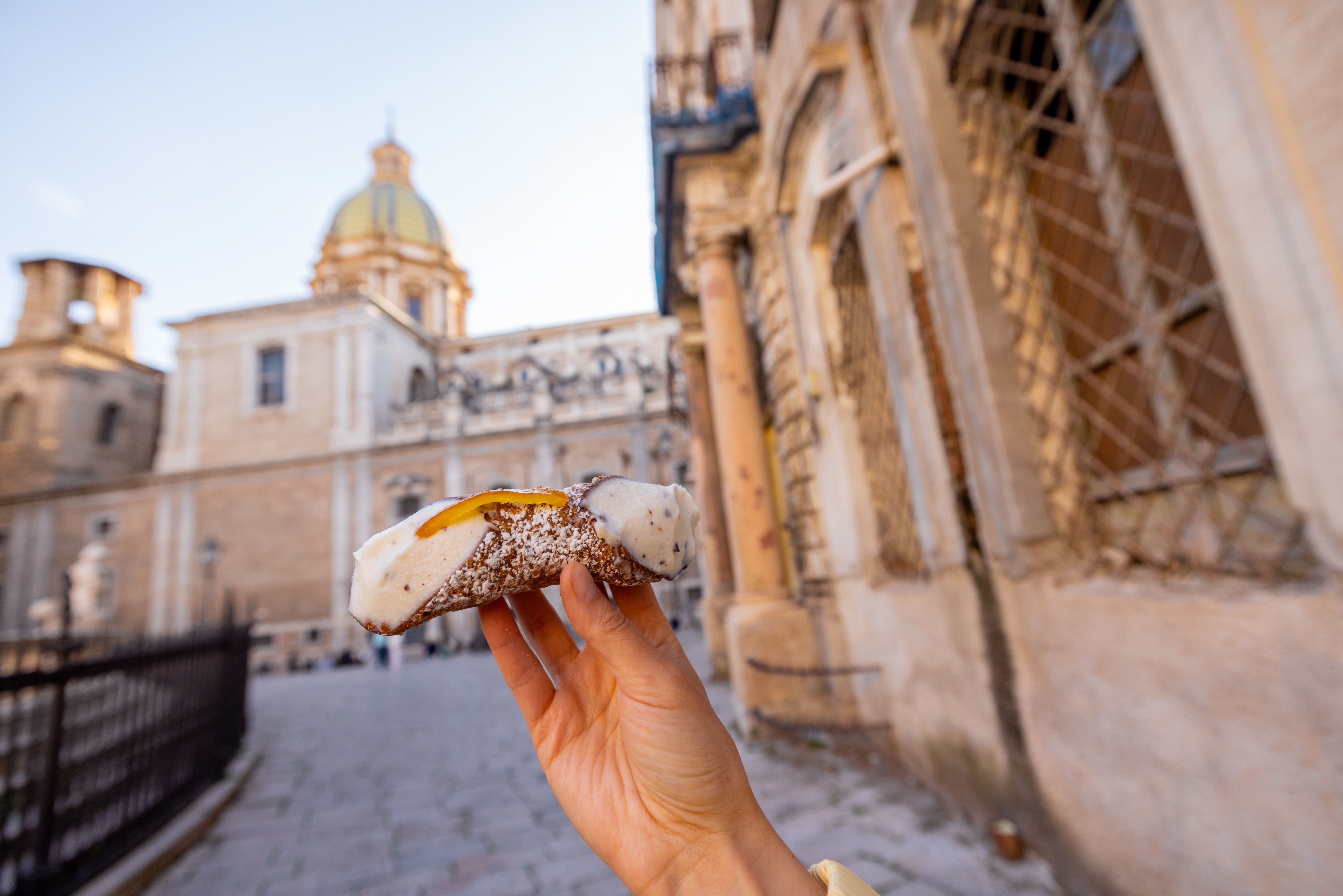
A Pastry Chef's Pilgrimage: Pasticceria Tonolo I could not write about Venice without taking you somewhere sweet. Tucked along Calle San Pantalon in Dorsoduro, a short stroll from the university, Pasticceria Tonolo has been a Venetian institution since 1886. No tables, no fuss. You stand at the long counter, shoulder to shoulder with students, shopkeepers, and grandmothers, point at whatever calls to you, and drink your espresso from a delicate blue-and-white cup.
The glass cases shimmer with chocolate bignè, cream-filled pastries lacquered with glaze, and little cakes soaked in something wonderful. But if you are lucky enough to visit during Carnevale, you must try the frittelle: golden Venetian fritters, pillowy inside, some studded with raisins and pine nuts, others filled with zabaione or pastry cream and dusted in sugar. The Venetians will tell you Tonolo makes the best in the city, and I would never argue. Go early, before the favorites sell out, and remember that Tonolo is closed on Mondays.
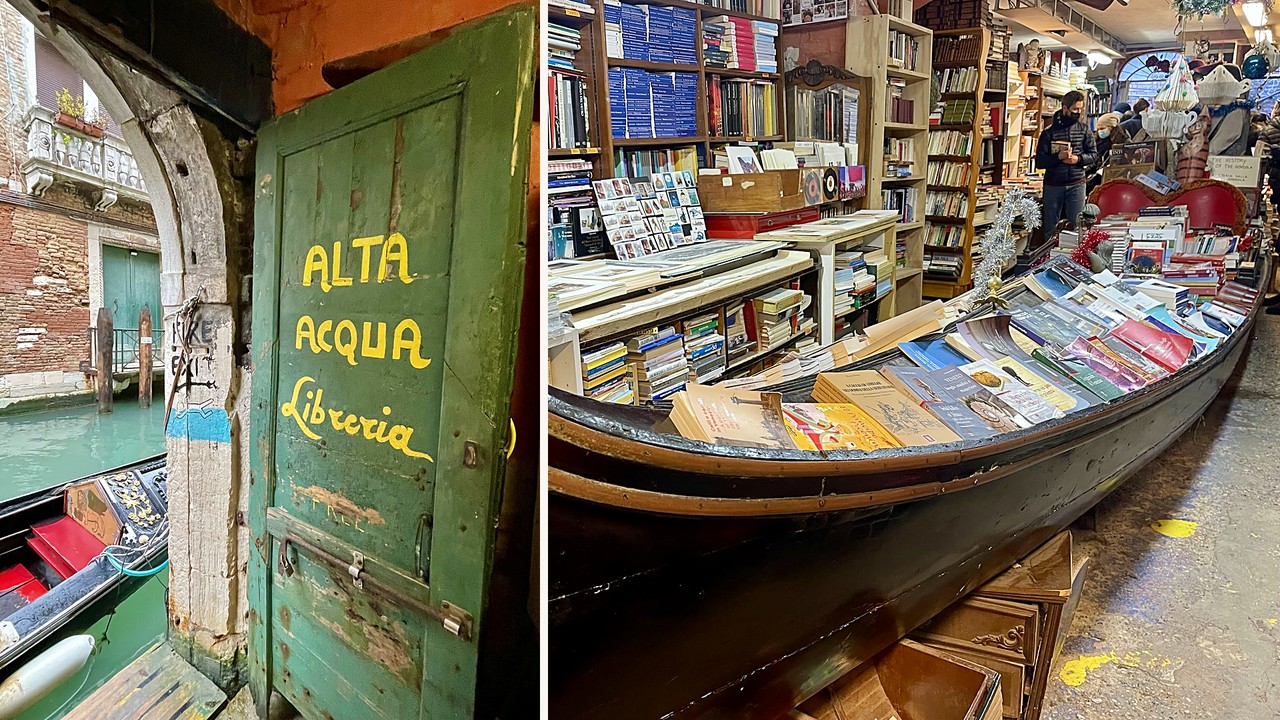
The Most Beautiful Bookshop in Venice: Libreria Acqua Alta
Venice floods. Rather than fight it, one bookseller simply embraced it. At Libreria Acqua Alta, the name itself means "high water," and the books are stacked in bathtubs, rowboats, and even a full-sized gondola, so they can float above the tide when the canal comes calling.
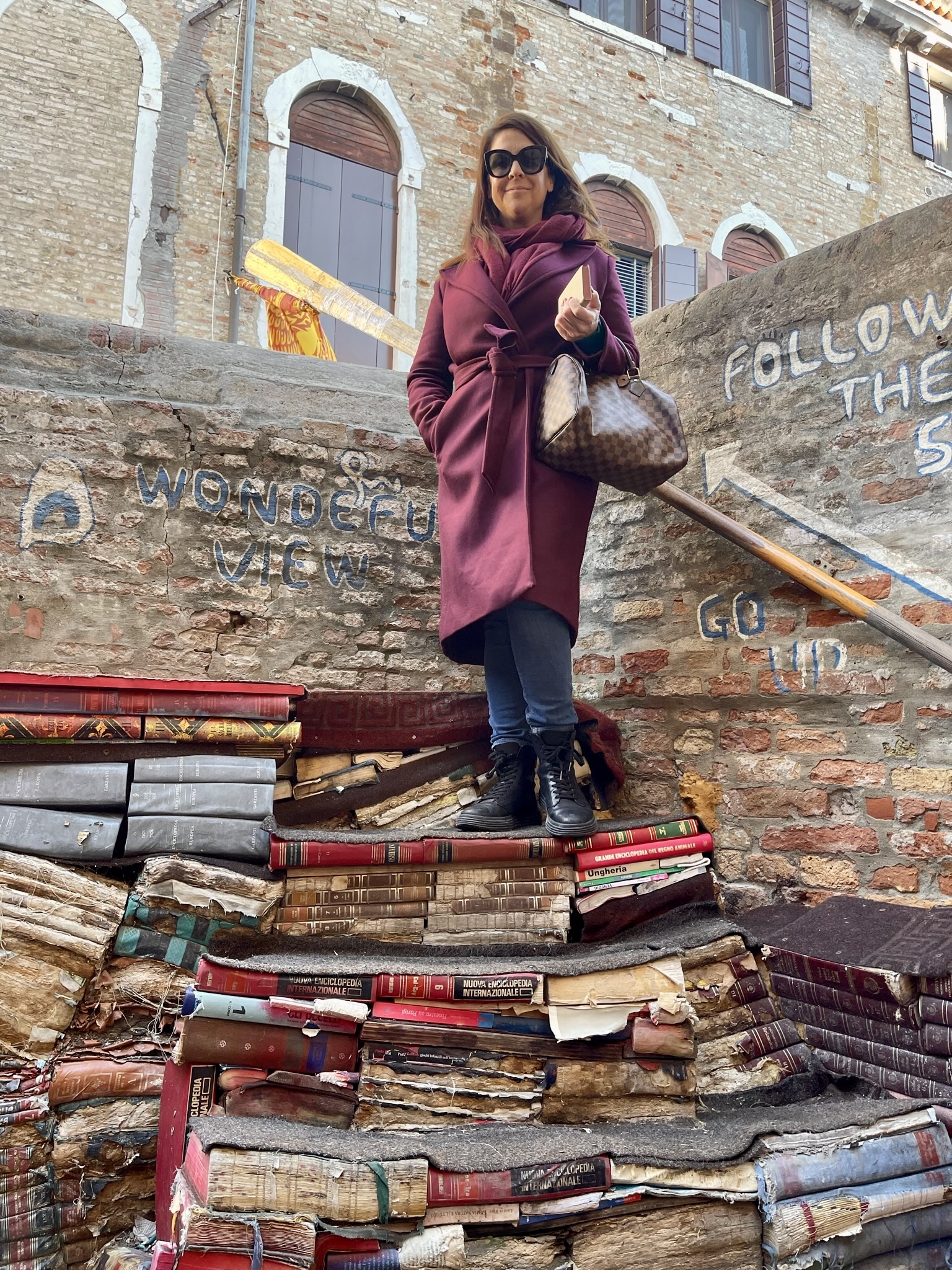
Out back, a staircase built entirely from old, water-damaged books leads you up for a peek at the canal. Cats doze on top of encyclopedias. Maps, postcards, and forgotten novels tumble from every corner. It is gloriously chaotic, utterly charming, and a place where an hour disappears without your noticing. For a writer, it feels a little like coming home.
Venice rewards the curious. She saves her most beautiful moments for those willing to wander past the postcard and into the quiet places where the city still lives and breathes. If you would love to discover these hidden corners with a journey designed entirely around you, from a private after-hours visit to a pastry-filled morning in Dorsoduro, Exquisitely Italy would be delighted to help you plan it.
Ci vediamo a Venezia.
By Janet von Rusten
Exquisitely Italy
Ready to experience Italy this way?
Every journey I curate is as personal as the stories I write here. Let's plan yours.